Understanding Bed Bug Infestations
Bed bugs have become a prevalent issue in homes and residences across Milwaukee and the surrounding areas, causing discomfort and distress for many. As nocturnal pests that feed on human blood, understanding their behavior, habits, and the resulting infestations is crucial for effective management. This article delves into the details of bed bug infestations and the bed bug treatment options available to ensure a pest-free environment.
What Are Bed Bugs and Their Habits?
Bed bugs, scientifically known as Cimex lectularius, are small, brownish insects that are approximately the size of an apple seed. They are known for their flat, oval bodies, which allow them to hide easily in various crevices such as seams of mattresses, cracks in walls, and furniture. These pests are predominantly nocturnal, feeding primarily on the blood of humans while they sleep.
Bed bugs have a remarkable resilience; they can survive for months without feeding and reproduce quickly. A female bed bug can lay up to seven eggs per week, resulting in a rapid increase in population if left untreated. Adult bed bugs are usually visible to the naked eye, making early detection possible if homeowners know what to look for.
How Bed Bugs Spread: Common Causes
Bed bugs are excellent hitchhikers, making them challenging to eliminate. They often spread through various means, including:
- Infested luggage from travel
- Used furniture or bedding
- Clothing and personal belongings
- Shared living spaces, such as apartments and dormitories
Awareness of these common vectors is vital for prevention. Regularly inspecting luggage and being cautious with second-hand items can significantly reduce the risk of an infestation.
Signs of a Bed Bug Infestation: Early Detection
Timely identification is essential for managing bed bug infestations effectively. Homeowners should watch for the following signs:
- Itchy welts or bites on the skin, often occurring in a line or cluster
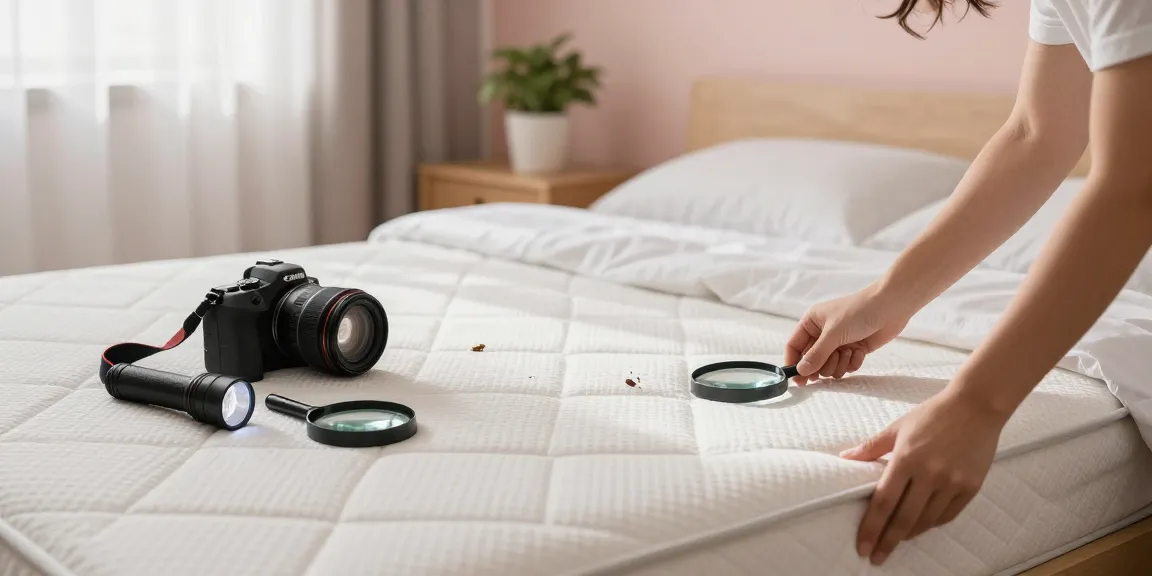
- Small blood stains on bedding or furniture
- Dark spots of bed bug excrement on mattresses or walls
- Musty odors in areas where bed bugs are present
If these signs are noticed, it is crucial to take immediate action to prevent further spread and establish a proactive approach to treatment.
Choosing the Right Bed Bug Treatment
Deciding on the most effective bed bug treatment can be overwhelming due to the various options available. It’s essential to conduct thorough research and consult with professionals to determine the best plan of action tailored to your specific situation.
Comparison of Treatment Options: Heat vs. Chemical
Two of the most common methods for bed bug extermination are heat treatments and chemical applications. Heat treatments are an eco-friendly approach that kills bed bugs at all life stages, including eggs. This method raises the temperature in the affected area to a lethal level, ensuring thorough eradication. On the other hand, chemical treatments apply residual pesticides that continue to eliminate pests over time, providing long-lasting protection.
Importance of Professional Inspection and Assessment
Before implementing any treatment, it is paramount to have a professional inspection conducted. Experts can assess the extent of the infestation, identify bed bug hiding spots, and recommend the most effective treatment plan. Ignoring this step could lead to ineffective treatments and unnecessary costs.
Cost Considerations for Bed Bug Treatments
The costs associated with bed bug treatments can vary significantly based on the severity of the infestation, the treatment method chosen, and the size of the affected area. Generally, heat treatments may have a higher upfront cost but offer rapid results, while chemical treatments might be more affordable initially but require multiple applications for complete eradication. Understanding the cost implications helps homeowners make informed decisions and avoid unexpected expenses.
Implementing Effective Bed Bug Treatment
Once a treatment plan has been established, it’s essential to follow through with careful implementation for the best results. Below is a step-by-step guide for both heat and chemical treatment processes.
Step-by-Step Guide to Heat Treatment Process
The heat treatment process typically involves several critical steps:
- Preparation: Homeowners should remove items from the affected area and ensure everything is accessible.
- Sealing the area: All doors and windows should be sealed to maintain the elevated temperature.
- Heating: Professional exterminators will use specialized equipment to increase the temperature to a lethal level, usually around 120°F (49°C).
- Monitoring: The temperature will be monitored to ensure it stays above the necessary threshold for a suitable duration.
- Post-treatment inspection: After the heat treatment is completed, a follow-up inspection will confirm that the treatment was effective.
Best Practices for Chemical Treatment Application
When applying chemical treatments, certain best practices should be observed:
- Ensure proper ventilation in the treated area.
- Follow all safety guidelines as provided by the professional exterminators.
- Limit traffic in the area during treatment and adhere to re-entry times.
- Consider combining different treatments for enhanced effectiveness and durability.
Tips for Preparing Your Home Before Treatment
Preparation is crucial before any bed bug treatment. Homeowners can enhance the efficacy of the treatment by:
- Washing all bedding and clothing in hot water to eliminate any hidden bugs.
- Decluttering the living area to facilitate access for exterminators.
- Vacuuming floors and furniture thoroughly to reduce the number of bugs present.
- Informing neighbors, especially in multi-unit dwellings, to help prevent re-infestation.
Monitoring and Follow-Up After Treatment
Post-treatment monitoring is essential to ensure that the bed bugs have been completely eliminated. Homeowners should remain vigilant and watch for signs of re-infestation.
Signs of Successful Bed Bug Treatment
After treatment, signs of success can include:
- No visible bed bugs or bites
- Absence of blood stains or droppings
- Positive results from follow-up inspections
How to Prevent Future Infestations
Preventing future bed bug infestations involves maintaining awareness and adopting proactive measures:
- Regularly inspect your home, particularly after traveling.
- Avoid acquiring second-hand furniture without thorough inspection.
- Seal cracks and crevices in walls and floors to limit potential hiding spots.
When to Schedule a Follow-Up Inspection
Consider scheduling a follow-up inspection approximately 2-3 weeks after treatment to ensure that the process was effective. This period allows any remaining bed bugs to reveal themselves, enabling further treatment if necessary.
Real-World Case Studies and Success Stories
Learning from real-world experiences can provide valuable insights into effective bed bug treatments. Below are notable case studies from Milwaukee showcasing successful extermination efforts.
Case Study: Successful Bed Bug Treatment in Milwaukee
One of our notable success stories involved an apartment complex in Milwaukee that suffered from severe bed bug infestations. After conducting a thorough inspection, our team implemented a combination of heat and chemical treatments tailored to each unit’s specific situation. Within weeks, residents reported significant reductions in bed bug sightings, leading to a fully restored living environment.
Customer Testimonials: Our Bed Bug Treatment Success Rates
Feedback from our satisfied clients highlights our commitment to excellence:
“Affordable Bed Bug Exterminators transformed our living situation. Their professional approach and effective treatments allowed us to sleep peacefully again.” – Jane D.
“From the first consultation to the follow-up inspections, the team was knowledgeable and reassuring. I highly recommend their services!” – Mark T.
Trends in Bed Bug Treatments: What’s Working in 2026
As we approach 2026, several emerging trends in bed bug treatment are gaining traction, including:
- Increased use of integrated pest management (IPM) strategies that combine multiple treatment methods for better results.
- Enhanced educational resources for homeowners to empower them in early detection and prevention.
- Advancements in technology, such as heat treatment equipment, increasing effectiveness and efficiency.
What are the signs of a bed bug infestation?
Signs of a bed bug infestation include bite marks on the skin, small blood stains on linens, and dark spots of excrement on surfaces. Early detection is vital for effective management.
How long does bed bug treatment take?
The duration of bed bug treatment varies based on the severity of the infestation and the method used. Heat treatments often yield quicker results, whereas chemical treatments may take longer to show effects.
Are bed bug treatments safe for pets?
Most professional bed bug treatments are designed to be safe for pets. However, it’s essential to follow the exterminator’s guidelines regarding re-entry times and any specific precautions for pet safety.
Can I treat bed bugs myself?
While there are DIY methods available, they often lack the effectiveness required for complete eradication. Professional extermination services are recommended for established infestations.
What should I do if bed bugs come back?
If bed bugs return after treatment, it is essential to contact a professional exterminator for a follow-up inspection and additional treatment to address the new infestation effectively.
About the Author