Understanding Spray Foam Roof Removal
What Is Spray Foam Roof Removal?
Spray foam roof removal refers to the process of taking off spray polyurethane foam (SPF) that was applied as insulation or roofing on a structure. SPF is known for its excellent insulation properties, but over time, it can deteriorate due to environmental factors, improper installation, or underlying roof issues. When removal is necessary, it involves a meticulous process to ensure both the foam and any underlying materials are carefully extracted without damaging the structure.
Common Reasons for Removal
There are several common reasons prompting the need for spray foam roof removal. These include:
- Water Damage: Leaks can develop when the foam is compromised, leading to potential roof damage if not addressed.
- Improper Installation: Poor application can result in inadequate protection or insulation, necessitating removal and replacement.
- Health Concerns: SPF can hold moisture, leading to mold and mildew, which can be harmful to occupants.
- Aesthetic Reasons: Over time, aesthetics may become a consideration when homeowners wish to upgrade their roofing.
Benefits of Professional Services
Engaging professional services for spray foam roof removal is crucial. Experts have the necessary training to carry out the process safely and effectively. Benefits include:
- Risk Management: Professionals use safe techniques to handle hazardous materials involved in the removal.
- Efficiency: Experienced contractors can complete the job faster and with less disruption.
- Quality Assurance: Hiring professionals ensures that all regulations are followed, providing a guarantee on workmanship and materials.
How to Prepare for Spray Foam Roof Removal
Initial Assessment Steps
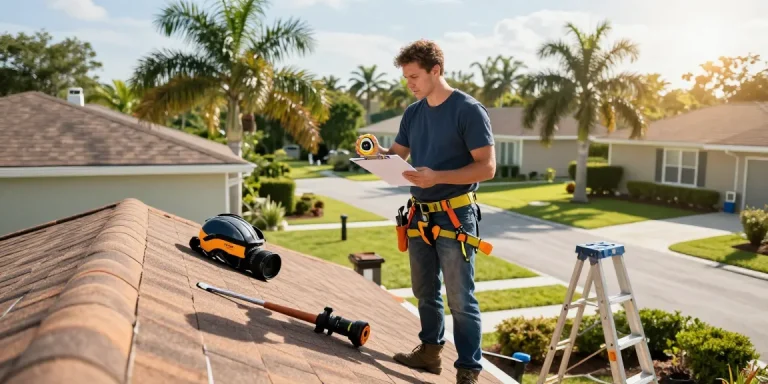
Preparing for spray foam roof removal starts with a thorough assessment. This includes inspecting the condition of the foam, identifying areas of potential damage, and determining the structural integrity of the roof underneath. An initial inspection by a qualified contractor will help identify the exact needs and plan the removal process effectively.
Necessary Tools and Equipment
The right tools are essential for a successful spray foam roof removal. Key equipment includes:
- Heavy-Duty Scrapers: For removing foam from various surfaces.
- Pneumatic Tools: To facilitate the efficient removal of larger sections of foam.
- Protective Gear: Such as gloves, masks, and goggles to ensure safety from debris and fumes.
Safety Precautions to Take
When preparing for spray foam roof removal, prioritizing safety is crucial. Precautions include ensuring proper ventilation during the removal process, using protective gear consistently, and adhering to all safety protocols throughout the job. Professionals often follow OSHA guidelines to prevent accidents.
The Spray Foam Roof Removal Process
Step-by-Step Removal Guide
The spray foam roof removal process typically follows these general steps:
- Site Preparation: Clearing the area of obstacles to ensure a safe working environment.
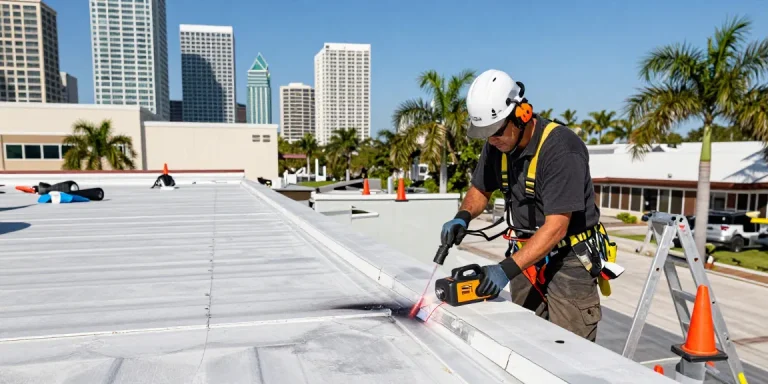
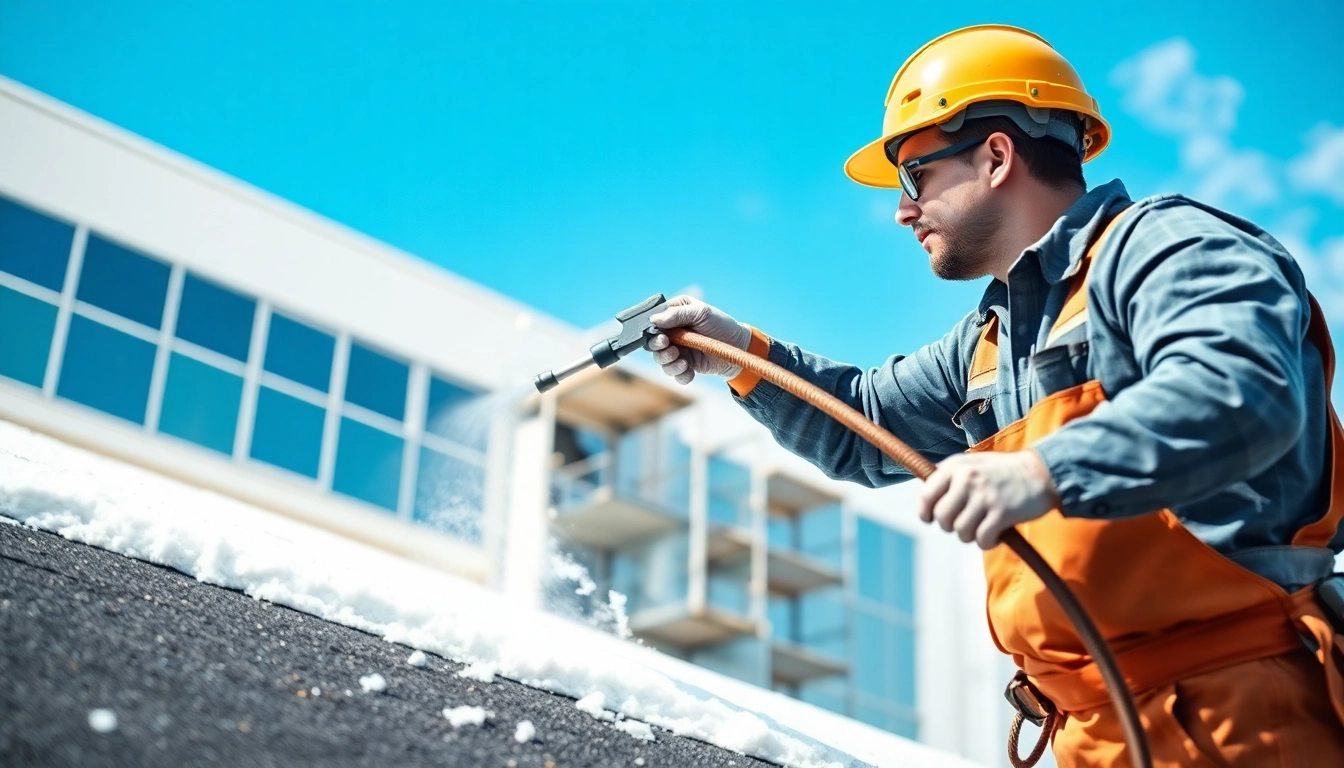
- Foam Removal: Using specialized tools to carefully scrape and detach the foam from the roof.
- Surface Cleaning: Ensuring any remaining residue is removed, preparing the surface for any repairs or new installations.
- Inspection: Checking for underlying issues that need attention before any new roofing is installed.
Disposing of Removed Materials
Disposal of removed spray foam is a critical component of the process. It is important to follow local regulations regarding the disposal of construction waste. Many areas have specific guidelines for disposing of hazardous materials such as SPF, ensuring that environmental standards are met.
Post-Removal Inspection
After the removal of the spray foam, a thorough inspection is necessary to identify any further issues with the roofing structure. This step helps in deciding whether repairs are needed or if a new roofing solution should be implemented. Regular evaluations post-removal can ensure the longevity of the roof.
Choosing the Right Professionals for Removal
Factors to Consider When Hiring
Choosing the right professionals for spray foam roof removal is a crucial step. Factors to assess include:
- Experience: Evaluate their history in the industry and previous projects they have undertaken.
- Certifications: Check if they have relevant certifications or training in spray foam removal.
- Insurance: Confirm they hold liability insurance to protect against accidents or damage during the job.
Questions to Ask Potential Contractors
When interviewing potential contractors, keep these questions in mind:
- What is your experience with spray foam roof removal?
- Can you provide references from previous clients?
- What safety measures do you implement during the removal process?
Evaluating Quotes and Services
When evaluating quotes from different contractors, it’s essential to look beyond just the price. Compare the scope of services, materials included, warranty information, and payment terms. A higher price may sometimes reflect better quality or service reliability.
Maintenance After Spray Foam Roof Removal
Preventive Measures for Longevity
After the spray foam roof has been removed and, if necessary, a new roof installed, it is vital to adopt preventive measures to enhance longevity. These can include regular inspections, prompt leak repairs, and adequate ventilation to avoid moisture issues.
Repairing Underlying Issues
Addressing underlying issues uncovered during the removal process is essential. This may involve repairing or replacing damaged decking, addressing drainage problems, or reinforcing structural components to ensure a stable foundation for the new roofing system.
Recommended Roof Replacement Options
Choosing the appropriate roofing material following spray foam roof removal should consider factors like climate, budget, and aesthetics. Popular options include shingles, metal roofing, or TPO membranes, all offering varying lifespans and maintenance requirements. Consult with roofing professionals to find the best match for your needs.
FAQs
Is spray foam roof removal necessary?
Yes, it is necessary when there is water damage, health risks, or improper installation affecting the roof’s integrity.
How long does the removal process take?
The timeframe for removal can vary but generally ranges from a few hours to several days, depending on the roof size and condition.
Can I remove spray foam myself?
While it is possible, it is not recommended due to the complexities and safety risks involved in the removal process.
What if I find damage under the foam?
If damage is found, it’s critical to address these issues before applying a new roofing product to ensure a proper seal and structural integrity.
How often should I inspect my roof after removal?
Regular inspections should be conducted at least twice a year and after significant weather events to monitor the roof’s condition.
About the Author