Understanding Desktop Oscilloscopes
In the realm of electronics, a desktop oscilloscope stands out as an essential instrument for both professionals and hobbyists. This sophisticated tool is designed to measure and display electrical signals, making it invaluable for troubleshooting, designing, and testing electronic circuits. With advancements in technology, modern oscilloscopes are equipped with features that enhance usability, accuracy, and functionality.
What is a Desktop Oscilloscope?
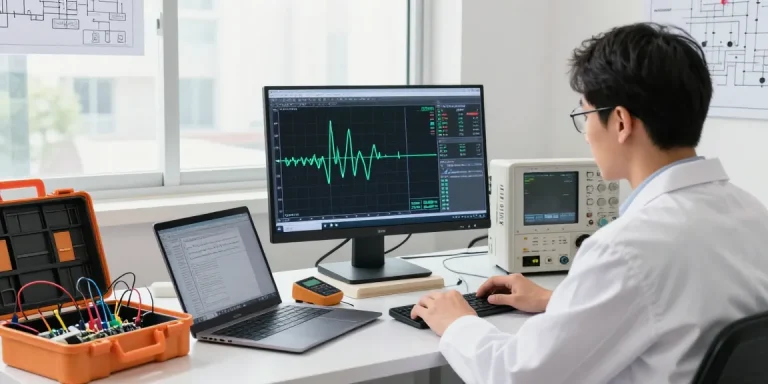
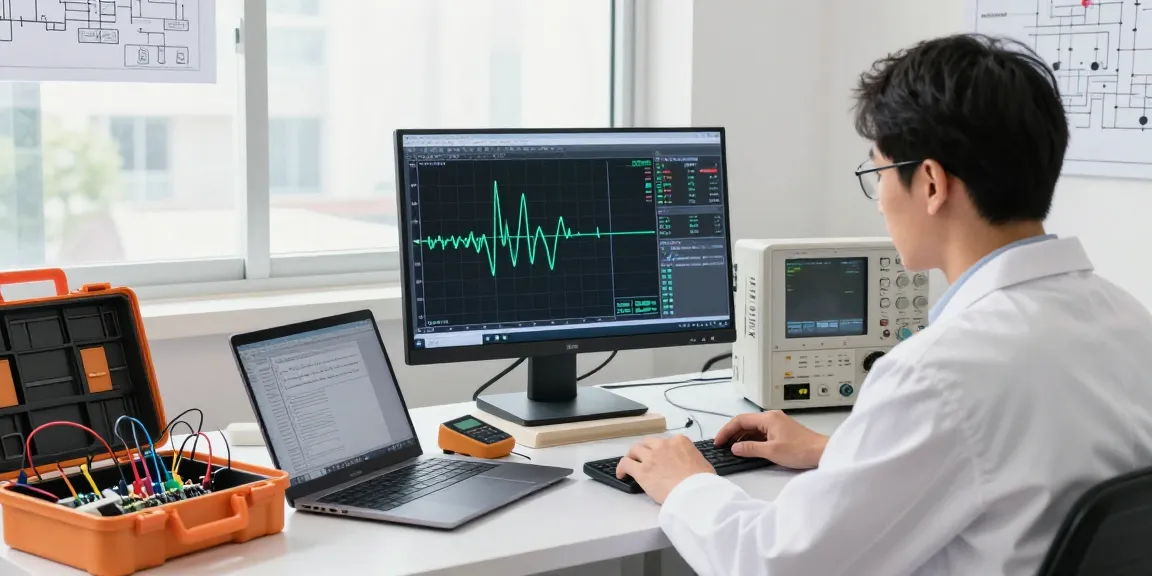
A desktop oscilloscope is a type of electronic test instrument that graphically displays voltage signals as waveforms. It allows users to observe the behavior of electrical signals over time, providing critical insights into circuit performance. Unlike its handheld counterparts, a desktop oscilloscope typically offers superior bandwidth, greater sampling rates, and more channels, making it suitable for complex tasks in electronics development and analysis.
Key Features of the Desktop Oscilloscope
- High Bandwidth: Essential for capturing fast-changing signals.
- Multiple Channels: Enables simultaneous analysis of different signals.
- Advanced Triggering: Allows users to capture specific events in a waveform easily.
- Integrated Waveform Generators: Facilitates the creation of custom signals for testing.
- Intuitive User Interface: Streamlines operation through easy navigation and controls.
Benefits of Using a Desktop Oscilloscope for Electronics
Desktop oscilloscopes provide several advantages over other measuring devices. Their high precision makes them suitable for intricate electronics work, while their built-in features support an array of functions such as FFT analysis, automated measurements, and complex waveform generation. These capabilities enable engineers and technicians to diagnose issues, verify circuit designs, and conduct educational demonstrations effectively.
How to Use a Desktop Oscilloscope Effectively
To harness the full potential of a desktop oscilloscope, users should become familiar with its setup and calibration procedures. Proper usage not only ensures accurate readings but also optimizes the workflow during testing and analysis.
Step-by-Step Guide to Setup and Calibration
- Connect the Probes: Attach the oscilloscope probes to the channels, ensuring a secure connection.
- Power Up the Device: Turn on the oscilloscope and allow it a few moments to boot.
- Set the Time Base: Adjust the horizontal scale (time/div) to display the desired waveform duration.
- Adjust Voltage Scale: Change the vertical scale (volts/div) to accommodate the signal’s amplitude.
- Trigger Settings: Configure the triggering options to stabilize the waveform for clearer analysis.
Understanding Waveform Analysis Techniques
Waveform analysis is crucial in understanding the characteristics of the electrical signals being measured. Key techniques include measuring frequency, amplitude, rise and fall times, and phase differences. With the advanced capabilities of modern oscilloscopes, users can perform automatic measurements to simplify this process.
Common Mistakes to Avoid When Using an Oscilloscope
Despite their intuitive design, beginners often make mistakes when using oscilloscopes. Common errors include:
- Incorrect probe settings: Failing to match the probe attenuation setting with the oscilloscope can lead to inaccurate readings.
- Poor grounding: Not properly grounding the oscilloscope can introduce noise in the measurements.
- Over triggering: Setting trigger levels incorrectly can cause the waveform to appear unstable.
- Neglecting the bandwidth: Using an oscilloscope with insufficient bandwidth for the signal being measured will result in distortion.
Advanced Functions and Features
Understanding the advanced functions of oscilloscopes can significantly enhance the user’s ability to conduct precise measurements and analysis. These features are particularly beneficial in professional and educational settings.
Exploring Integrated Waveform Generators
The integration of waveform generators within oscilloscopes allows for versatile testing capabilities. Engineers can generate various signal types, such as sine, square, and triangle waves, to test circuit responses effectively. This dual functionality not only saves space but also enhances productivity.
Digital Signal Processing Capabilities
Modern oscilloscopes come equipped with digital signal processing (DSP) features that improve measurement accuracy and efficiency. By applying mathematical algorithms to the acquired signals, users can analyze frequency content, detect anomalies, and filter noise effectively.
Comparative Analysis with Other Testing Devices
When comparing desktop oscilloscopes with other testing devices, such as spectrum analyzers or multimeters, several distinctions arise. While multimeters provide basic measurements like voltage, current, and resistance, oscilloscopes excel in visualizing dynamic changes in signals, making them indispensable for tasks that involve signal integrity and time-domain analysis.
Applications of Desktop Oscilloscopes in Various Fields
Desktop oscilloscopes are utilized across numerous industries, illustrating their versatility and importance in modern electronics.
Electronics Engineering and Prototyping
Engineers use desktop oscilloscopes for designing and testing electronic circuits, validating system performance, and troubleshooting malfunctions. By visualizing the electrical activity within a prototype, engineers can make informed adjustments to improve functionality and reliability.
Education and Training Environments
In academic settings, desktop oscilloscopes serve as a foundational tool for teaching electronics principles. With hands-on experience, students gain practical insights into waveform characteristics, circuit analysis, and measurement techniques, preparing them for future careers in engineering.
Research and Development Uses
Researchers rely on desktop oscilloscopes to explore new technologies and develop innovative solutions. Their ability to analyze fast transient events and capture high-frequency signals is crucial for advancing fields such as telecommunications and semiconductor research.
Future Trends in Oscilloscope Technology
The landscape of oscilloscopes is rapidly evolving, driven by technological advancements and increasing consumer demands. Understanding these trends can help users stay informed about future capabilities.
Innovations to Look for in 2026
As we move towards 2026, oscilloscopes are expected to incorporate enhanced features such as improved user interfaces, greater portability, and expanded communication protocols for integration with other electronic devices. Advanced connectivity options, including support for IoT applications, will further expand their functionality.
Impact of AI and Machine Learning on Oscilloscope Functionality
The integration of AI and machine learning in oscilloscopes will likely revolutionize signal analysis. These technologies can automate waveform identification, anomaly detection, and even predictive maintenance, allowing users to focus on higher-level analytical tasks.
Predicted Market Changes and Consumer Demands
With the increasing complexity of electronic devices, market demands will drive oscilloscopes to adopt more versatile features. Consumers will seek oscilloscopes that are not only high-performing but also user-friendly, compact, and competitively priced.
What are the best practices for using a desktop oscilloscope?
To ensure effective usage, it is crucial to adapt best practices such as regular calibration, proper probe handling, and understanding the instrument’s capabilities. Familiarity with the oscilloscope’s features maximizes its utility in various applications.
How does a desktop oscilloscope compare to handheld models?
Desktop oscilloscopes generally provide superior performance metrics, including bandwidth and sampling rates, compared to handheld models. However, handheld oscilloscopes offer advantages in portability, making them suitable for fieldwork where flexibility is needed.
What types of signals can be analysed with a desktop oscilloscope?
Desktop oscilloscopes can analyse a wide array of signals, including analog waveforms (sine, square, triangular), digital signals, and even mixed signals from complex systems. Their ability to handle diverse signal types makes them vital in various electronics applications.
Can desktop oscilloscopes be used for automotive diagnostics?
Yes, many automotive professionals utilize desktop oscilloscopes to diagnose issues within car electronics, such as engine performance and sensor checks. Their high precision allows detailed analysis of complex automotive signals.
What are the warranty and support options for desktop oscilloscopes?
Typically, reputable manufacturers offer warranty options that cover defects and provide after-sales support. For instance, Hanmatek offers a comprehensive 2-year warranty and lifetime technical support for its products, ensuring customer satisfaction and product reliability.
About the Author