Understanding Mini Cattle: An Overview
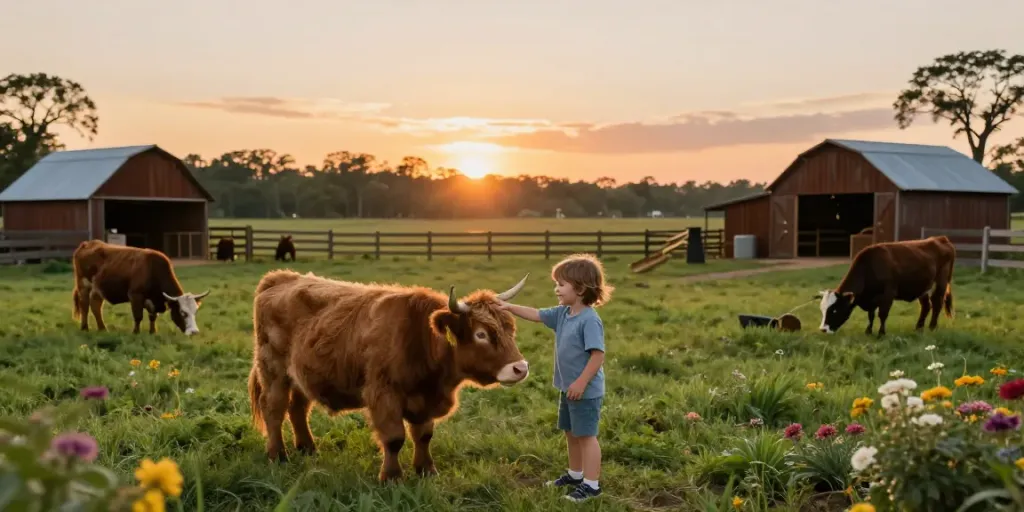
Mini cattle, also known as miniature cattle, are a smaller and more manageable version of traditional cattle breeds. These compact versions typically stand less than 48 inches tall at maturity and are gaining popularity among farmers, hobbyists, and animal lovers alike. Their reduced size makes them ideal for smaller properties, where space is at a premium. When exploring options, mini cattle provide comprehensive insights into the burgeoning market for these unique animals.
What Are Mini Cattle?
Mini cattle are essentially smaller relatives of standard cattle breeds, characterized by their shorter stature and milder temperaments. While they share many traits with their larger counterparts, these diminutive versions often require less space, making them suitable for small farms, hobby ranchers, or even as pets. Mini cattle come in various breeds, including Mini Hereford, Mini Jersey, and Mini Highland, each offering distinct characteristics and advantages.
The Benefits of Raising Mini Cattle
Raising mini cattle offers numerous benefits, particularly for those with limited space or resources:
- Space Efficiency: Mini cattle require significantly less pasture and barn space than traditional cattle.
- Lower Feed Costs: Due to their smaller size, they consume less feed, leading to reduced expenses.
- Easy Handling: Their manageable size makes them easier to handle and care for, particularly for small farmers or those new to cattle management.
- Dual Purpose: Many mini breeds are suitable for both milk and meat production, providing versatile options for owners.
- Companionship: Mini cattle can serve as affectionate pets and are often friendly with humans and other animals.
Common Breeds of Mini Cattle
Several breeds of mini cattle are popular among enthusiasts and small-scale farmers:
- Mini Hereford: Known for their docile nature and good mothering capabilities.
- Mini Jersey: Valued for their rich milk production, ideal for dairy enthusiasts.
- Mini Highland: Recognized for their distinctive long hair and hardiness in various climates.
- Dexter: A small dual-purpose breed, great for both milk and meat.
- HighPark: Known for their unique looks and friendly personalities.
- Mini Zebu: Recognized for their heat tolerance and adaptability to various environments.
Choosing the Right Mini Cattle for Your Needs
Finding the right mini cattle for your situation involves several considerations. Potential owners should assess what they want to achieve, such as whether they need cattle for companionship, breeding, or agricultural purposes.
Factors to Consider When Selecting Mini Cattle
When selecting mini cattle, keep in mind the following factors:
- Space: Ensure you have adequate space for the breed you choose.
- Purpose: Determine if you want mini cattle for milk, meat, pets, or breeding.
- Temperament: Some breeds are more docile and friendly, which can be particularly important if you have children or plan to keep them as pets.
- Care Requirements: Different breeds may have varying needs for care, feeding, and shelter.
Identifying Breed Characteristics and Temperament
Understanding the temperament and characteristics of different mini cattle breeds can greatly influence your choice. Breeds like Mini Hereford and Mini Jersey are known for their gentle temperaments, making them suitable for families. On the other hand, breeds like the Mini Highland have a more independent nature and may require a more experienced handler.
Mini Cattle for Various Uses: Pets, Breeding, and More
Mini cattle can serve multiple roles on a farm or ranch. They are increasingly popular as pets due to their friendly disposition and manageable size. Additionally, they can be used for milk production, meat, or even as show animals in competitions. Understanding the intended use will guide you in selecting the best breed and individual animal for your needs.
The Buying Process: From Inquiry to Ownership
Purchasing mini cattle involves a systematic approach to ensure you find the right fit for your circumstances. The process includes research, inquiries, and understanding the necessary documentation.
How to Purchase Mini Cattle: A Step-by-Step Guide
Buying mini cattle can be broken down into several straightforward steps:
- Research: Investigate different breeds and their requirements to identify which best suits your needs.
- Contact Breeders: Reach out to reputable breeders like Mini Moo Alpaca Too Farm to ask questions and express interest.
- Visit the Farm: Schedule a visit to meet the animals and evaluate their living conditions.
- Discuss Costs: Understand the pricing of the mini cattle, including initial purchase and ongoing care expenses.
- Finalize Purchase: Complete any necessary paperwork, including ownership-transfer documents.
Financing Options for Mini Cattle Purchases
Financing can be an important aspect of buying mini cattle. Some breeders may offer payment plans or financing options to make acquiring these animals more accessible. It’s advisable to discuss financing options upfront to understand your budget and the financial commitments involved.
Understanding Ownership-Transfer Documents
Ownership-transfer documents are crucial when purchasing mini cattle. These ensure that the legal ownership of the animal is properly documented and transferred to you. Be sure to review these documents carefully and seek clarification from your breeder if needed.
Transportation and Care for Your Mini Cattle
After purchasing your mini cattle, arranging for their transportation is essential. Ensuring their safe arrival at your location is a top priority for both you and the seller.
Arranging Transportation Across the USA
When transporting mini cattle, it is important to consider several factors:
- Distance: The distance between the farm and your location will influence transportation arrangements and costs.
- Climate: Make provisions based on the weather conditions, as it can affect the comfort of the animals during transit.
- Safety: Ensure that the transportation method guarantees the safety and comfort of the cattle.
Setting Up a Safe and Comfortable Home for Your Mini Cattle
Creating an appropriate home for your mini cattle involves establishing a safe and comfortable environment. Consider the following aspects:
- Fencing: Properly fenced enclosures are essential to keep your mini cattle secure and prevent escape.
- Shelter: Provide covered areas for protection against adverse weather conditions.
- Feeding Areas: Designate specific spaces for feeding to ensure proper nutrition and hygiene.
Feeding and Maintenance Best Practices
The diet and care of mini cattle are crucial for their health and well-being. Providing a balanced diet that includes forage, grains, and minerals is essential. Regular veterinary check-ups and vaccinations are also important to maintain their health.
Connecting with Mini Cattle Communities and Resources
Becoming involved in mini cattle communities can enhance your experience as an owner and provide valuable resources.
Local and National Mini Cattle Associations
Joining local and national associations for mini cattle owners can offer networking opportunities, educational resources, and access to events. These groups often provide information on best practices for raising mini cattle and can connect you with fellow enthusiasts.
Online Resources for Mini Cattle Owners
There are numerous online resources available, including forums, social media groups, and websites dedicated to mini cattle. These platforms can offer support, share experiences, and provide tips for effective management of your herd.
Participating in Mini Cattle Shows and Competitions
Engaging in shows and competitions can be a fun way to showcase your mini cattle while learning from others in the community. These events often feature educational seminars, judging, and opportunities to meet fellow cattle enthusiasts.
FAQs About Mini Cattle
As prospective owners embark on their journey, they often have questions regarding mini cattle. Here are some common inquiries:
- How much do mini cows cost? The cost of mini cows can vary significantly based on breed, age, and breeder reputation.
- What is the smallest breed of cattle? The smallest breed is often considered to be the Mini Zebu, which can weigh as little as 250 pounds.
- What are mini cattle good for? Mini cattle are often used for pets, milk production, and even as show animals.
- How big do mini cows get? Most mini cattle breeds reach a height of about 36 to 48 inches at the shoulder.
- Where to find reliable mini cattle breeders? Conducting thorough research and contacting associations can help you find reputable mini cattle breeders.