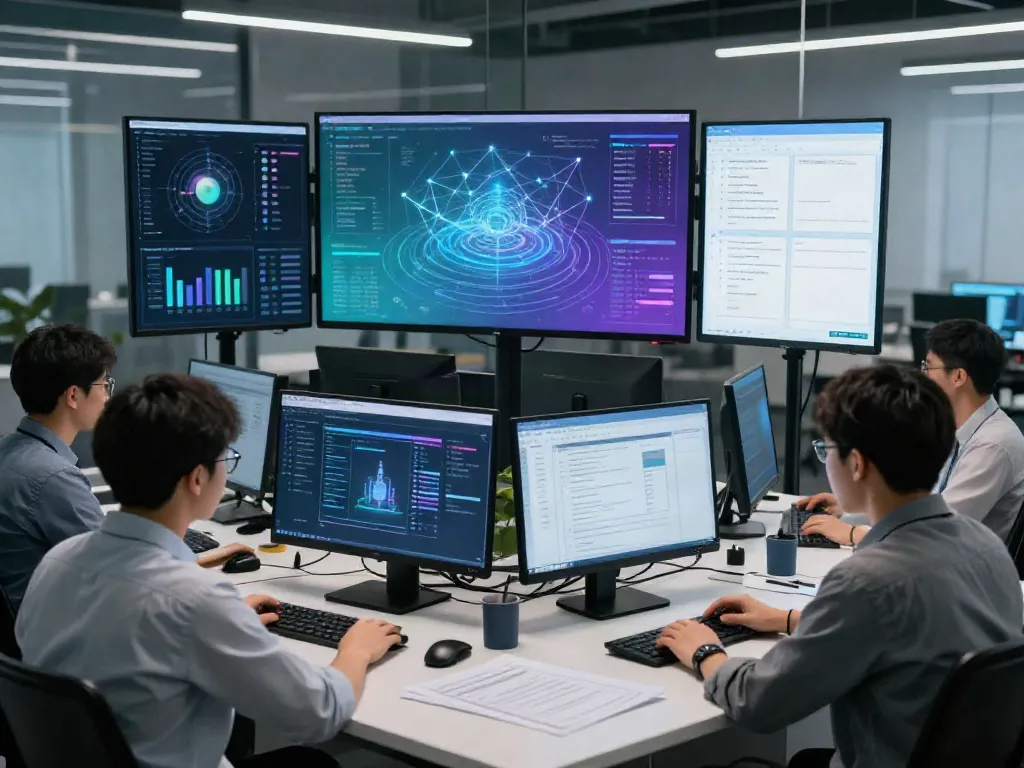
Understanding Configuration Review: Key Components and Purpose
In today's rapidly evolving digital landscape, understanding the intricacies of configuration review has become paramount for safeguarding organizational assets against cyber threats. A configuration review serves as a foundational element in maintaining robust security postures, ensuring systems are not just operational, but also securely configured to prevent potential exploits. By examining the current security settings across various platforms—including cloud environments, on-premises servers, and network devices—organizations can identify misconfigurations before they lead to security breaches. When exploring options, configuration review services provide comprehensive insights into how configurations align with best practices and security standards.
What is a Configuration Review?
A configuration review is a systematic evaluation of the configurations, settings, and policies associated with IT assets and infrastructures. This process involves assessing these configurations against recognized benchmarks and security policies, often following industry-standard frameworks such as the Center for Internet Security (CIS) benchmarks or National Institute of Standards and Technology (NIST) guidelines. This examination is integral for organizations aiming to affirm compliance, enhance security, and reduce vulnerabilities related to misconfigurations.
Importance of Configuration Review in Cybersecurity
Configuration reviews play a critical role in cybersecurity by identifying and mitigating risks that arise from unintentional misconfigurations. When configurations deviate from established security policies, they can create vulnerabilities that attackers may exploit. Thus, regular configuration reviews help maintain an organization's cybersecurity posture by ensuring that all settings align with best practices and security frameworks. Furthermore, these reviews validate the effectiveness of existing security controls and guarantee that they are functioning as intended.
Common Misconfigurations Found during Reviews
Common misconfigurations identified during configuration reviews often include:
- Insecure Default Settings: Leaving systems with factory default configurations that can easily be exploited.
- Over-Permissive Firewall Rules: Excessively broad rules that allow unnecessary traffic.
- Weak IAM Configurations: Poorly defined Identity and Access Management (IAM) roles that grant excessive privileges.
- Insufficient Logging and Monitoring: Lack of comprehensive logging mechanisms that can hinder incident response activities.
Configuration Review vs. Vulnerability Assessment: Making the Right Choice
Selecting the appropriate security service is crucial for effective risk management. While both configuration review and vulnerability assessments aim to enhance security, they address different aspects of cybersecurity. Understanding these distinctions can help organizations prioritize their security efforts appropriately.
Defining Vulnerability Assessment and Its Scope
A vulnerability assessment is a broader evaluation that systematically scans for known vulnerabilities in systems and applications. Utilizing tools and frameworks, vulnerability assessments provide an outside-in view of potential exploit paths—helping prioritize risks based on ease of exploitation and potential impact. This process typically involves automated scanning, validation of findings, and reporting, which helps organizations understand their exposure level to threats.
The Role of Configuration Review in Cybersecurity
While vulnerability assessments focus on identifying potential weaknesses, configuration reviews delve into the specifics of system configurations. They scrutinize the security settings to verify that they comply with established standards and best practices. This detailed analysis is vital for ensuring that security controls are not only in place but also configured correctly to minimize risk. A well-executed configuration review can uncover hidden risks that a vulnerability assessment might miss, particularly those relating to compliance and historical changes in settings.
When to Choose Vulnerability Assessment Over Configuration Review
Organizations should opt for vulnerability assessments when their primary objective is to map out external exposures and identify weaknesses across a broad attack surface. Conversely, configuration reviews are best suited for scenarios where the focus is on validating the security of existing settings and ensuring that they are aligned with compliance and operational standards. The choice between these services can significantly impact how effectively an organization addresses its security posture.
Steps to Conduct a Comprehensive Configuration Review
The effectiveness of a configuration review is largely contingent on the thoroughness of its execution. Here are the key steps involved in conducting a comprehensive review.
Preparation and Planning for the Review
Successful configuration reviews begin with careful planning. This involves defining the scope of the review, identifying critical assets, and establishing benchmarks for assessment. Stakeholders must be engaged early in the process to gather the necessary documentation, such as existing configuration policies and previous review findings. Additionally, obtaining baseline configurations for comparison is crucial.
Tools and Techniques for Effective Review
The use of specialized tools can streamline the configuration review process. Tools such as configuration management solutions (e.g., Chef, Puppet, Ansible) and security auditing tools (e.g., Nessus, Qualys) can help automate aspects of the review. Combining automated tools with manual validation ensures that subtle misconfigurations that automated systems might overlook are identified. It also allows for a qualitative assessment through discussions with system owners and administrators.
Post-Review Actions and Implementation Strategies
Once the review is completed, it's essential to formulate an action plan based on the findings. This should prioritize remediation efforts according to risk levels and business impact. Establishing a timetable for implementing fixes and re-evaluating configurations post-remediation is important for maintaining security over time. Additionally, it's beneficial to document the entire review process, including findings and implemented actions, for compliance and audit purposes.
Best Practices for Configuration Management
Adopting effective configuration management practices is essential for minimizing risk and maintaining compliance across organizational infrastructures.
Aligning Configuration with Security Standards
Organizations should continuously assess their configurations against established security frameworks such as the CIS standards, NIST SP 800-53, or industry-specific guidelines. This alignment helps to ensure that all security measures are not only compliant but also consistently enforced across environments.
Regular Updates and Review Cycles
Establishing regular review cycles is critical. With changes in technology, emerging threats, and operational adjustments, continuous monitoring and periodic reviews ensure that configurations remain secure and compliant. Automated configuration management tools can help maintain consistency and alert teams to any deviations from established baselines.
Security Automation and Continuous Monitoring
Integrating security automation into configuration management processes enhances operational efficiency. Automated tools can quickly identify deviations from secure configurations and provide real-time alerts, allowing security teams to respond promptly to potential threats. Continuous monitoring ensures that any misconfigurations are immediately flagged for review and remediation.
Trends in Configuration Review Services for 2026
As technology evolves, so do the approaches to configuration management and review services. Several trends are shaping the landscape for 2026.
Emerging Technologies Impacting Configuration Review
The rise of cloud-native technologies, microservices, and container orchestration has introduced new complexities in configuration management. These technologies demand adaptive strategies for reviews, focusing on infrastructure as code (IaC) practices to ensure that configurations deployed across multiple environments remain secure throughout their lifecycle.
Integrating AI in Configuration Assessments
With the increasing adoption of artificial intelligence (AI) in cybersecurity, configuration reviews are beginning to leverage AI-driven analytics. These tools can enhance the detection of anomalies, compliance gaps, and potential misconfigurations by comparing configurations against vast datasets of best practices and historical performance metrics.
Future of Configuration Review in Hybrid Cloud Environments
As more organizations adopt hybrid cloud architectures, configuration reviews will need to consider the interplay of on-premises and cloud environments. This includes assessing configurations across various cloud providers and ensuring that policies are enforced uniformly across all platforms. Organizations will benefit from adopting holistic strategies that encompass both their on-premises and cloud-based assets to maintain consistent security policies.
FAQs
What are the benefits of conducting a configuration review?
Conducting a configuration review enhances security by identifying misconfigurations, ensuring compliance with industry standards, and validating the effectiveness of existing security controls. It ultimately helps reduce vulnerabilities and strengthens the overall security posture.
How often should a configuration review be performed?
Organizations should perform configuration reviews at regular intervals, typically bi-annually or quarterly, depending on the nature of their operations and the risk levels associated with their environments. Additional reviews should be conducted following significant changes in the infrastructure or after security incidents.
What tools are best for performing configuration reviews?
Tools that facilitate configuration reviews include security assessment tools like Nessus, Qualys, and automated configuration management solutions such as Ansible, Puppet, and Chef. These tools help in automating assessments, providing comprehensive reports, and streamlining the remediation process.