Understanding Construction Safety Programs
What Are Construction Safety Programs?
Construction safety programs are organized frameworks designed to identify, evaluate, and mitigate risks faced by workers on construction sites. They encompass a series of protocols aimed at fostering a safe working environment while ensuring compliance with local and federal safety regulations. These programs are essential to protect workers from on-site hazards while promoting a culture of safety throughout the organization. By implementing effective construction safety programs, companies can reduce accidents, enhance productivity, and safeguard their reputation.
Importance of Safety Programs in Construction
The construction industry is one of the most hazardous sectors, with high rates of workplace injuries and fatalities. The significance of safety programs cannot be overstated, as they serve multiple purposes to benefit both employees and employers alike. Firstly, they protect the workforce by minimizing the risk of accidents and related injuries. Secondly, they help organizations by enhancing operational efficiency and reducing costs associated with accidents and insurance premiums. Thirdly, a strong safety program aids in regulatory compliance, preventing costly fines and legal issues.
Key Elements of Successful Construction Safety Programs
An effective construction safety program typically includes several key elements:
- Policy Statement: A clear declaration of the company’s commitment to safety that outlines expectations for all employees.
- Risk Assessment: Regular identification and evaluation of potential hazards in the workplace.
- Training and Education: Comprehensive training programs that equip workers with the knowledge to perform their tasks safely.
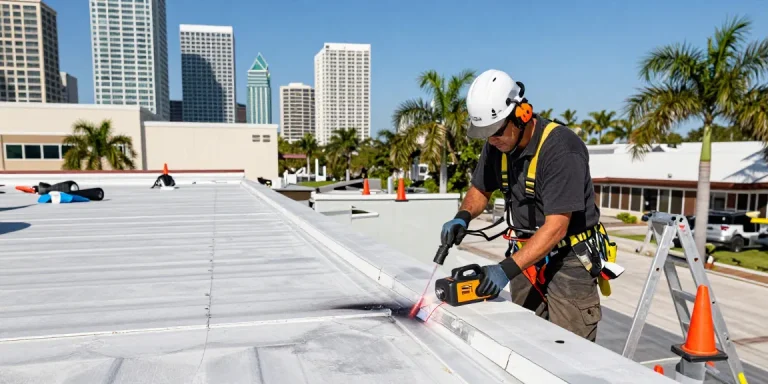
- Safety Equipment: Provision and proper use of personal protective equipment (PPE) to minimize risk.
- Monitoring and Reporting: Systems for tracking safety performance and reporting incidents or near misses.
- Continuous Improvement: Regular review and updating of safety practices based on feedback and changing conditions.
Common Hazards and Risks in Construction
Identifying Common Construction Hazards
Construction sites are rife with hazards that can lead to serious injuries or fatalities. Some of the most common hazards include:
- Slips and Trips: Often caused by uneven surfaces, debris, or weather conditions.
- Falls from Heights: A leading cause of death in construction; occurs when workers are at elevated positions.
- Struck-By Objects: Incidents involving tools, equipment, or materials falling and striking a worker.
- Electrical Hazards: Risks associated with working near live wires or faulty equipment.
- Respiratory Hazards: Exposure to harmful substances or dust that can affect lung health.
Risk Assessment Techniques for Safety Programs
Conducting a thorough risk assessment is essential for identifying potential hazards on a construction site. Techniques for risk assessment include:
- Job Safety Analysis (JSA): A detailed examination of specific job tasks to identify hazards and implement preventive measures.
- Hazard Identification and Risk Assessment (HIRA): A method for systematically identifying hazards and evaluating risks associated with them.
- Site Inspections: Regular physical inspections of the worksite to ensure compliance with safety practices.
- Employee Feedback: Engaging workers in discussions about safety and gathering their insights on potential hazards.
Reducing Workplace Risks through Safety Training
Training is a cornerstone of any effective construction safety program. It provides workers with the knowledge and skills necessary to recognize hazards and respond appropriately. Some essential training topics include:
- Use of Protective Equipment: Training on when and how to use PPE effectively.
- Emergency Response: Procedures for dealing with medical emergencies, fires, and hazardous material spills.
- Safe Work Practices: Guidelines on maintaining safety while operating machinery and performing high-risk tasks.
- Regulatory Compliance: Understanding the laws and regulations governing workplace safety.
Implementing Effective Safety Practices
Creating a Safety Culture in Construction
Developing a culture of safety within an organization is fundamental to the success of any construction safety program. A safety culture promotes the involvement of all employees, encourages open communication about safety concerns, and reinforces the importance of safety as a shared responsibility. Key practices to cultivate a safety culture include:
- Leadership Commitment: Management must demonstrate a genuine commitment to safety and lead by example.
- Open Communication: Encourage workers to voice safety concerns without fear of reprimand.
- Recognition and Rewards: Acknowledge workers who adhere to safety protocols and contribute to maintaining a safe work environment.
Training Workers on Safety Regulations
Training workers on safety regulations is crucial for compliance and risk mitigation. Training should include:
- OSHA Regulations: Instruction on Occupational Safety and Health Administration guidelines and compliance requirements.
- Industry Standards: Familiarization with national, state, and local industry safety standards.
- Specific Safety Protocols: Detailed training on the specific safety protocols related to the particular job site and tasks.
Utilizing Safety Equipment and Personal Protective Gear
Providing adequate safety equipment and ensuring its proper use is vital for protecting workers. Personal protective equipment (PPE) should include:
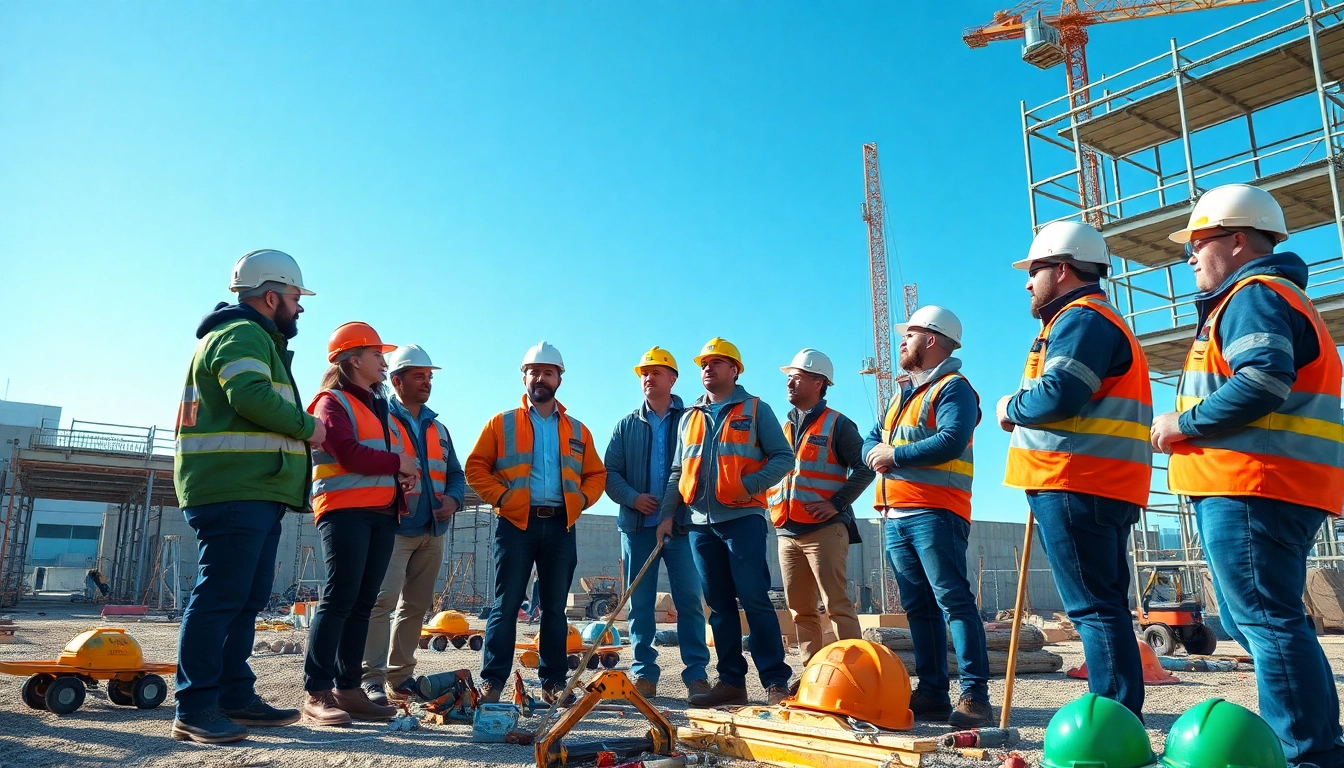
- Hard Hats: To protect against falling objects.
- High-Visibility Clothing: To enhance visibility on busy job sites.
- Safety Boots: To prevent foot injuries from heavy tools and equipment.
- Gloves: For hand protection when handling materials.
- Hearing Protection: Necessary in noisy environments to prevent hearing loss.
- Respirators: In situations where harmful dust or fumes are present.
Monitoring and Evaluating Safety Programs
Measuring the Effectiveness of Construction Safety Programs
To ensure safety programs are effective, organizations must engage in regular monitoring and evaluation. Effective measures include:
- Incident Reports: Analyzing reported accidents, near misses, and unsafe conditions.
- Safety Audits: Conducting periodic audits to evaluate adherence to safety protocols.
- Surveys and Feedback: Gathering employee feedback regarding safety practices and concerns.
Adjusting Programs Based on Feedback and Incidents
Continuous improvement is key to maintaining effective safety programs. Organizations should be willing and prepared to modify safety protocols based on:
- Incident Analysis: Reviewing the root causes of accidents to prevent recurrence.
- Employee Feedback: Implementing changes based on worker insights and experiences.
- Regulatory Changes: Adapting safety practices in accordance with updates to safety regulations.
Maintaining Compliance with Safety Regulations
Consistency in adhering to safety regulations is crucial for avoiding penalties and ensuring worker safety. Key compliance strategies include:
- Regular Training: Continuing education for workers on current safety regulations and best practices.
- Documentation: Keeping comprehensive records of safety training, incident reports, and safety audits.
- Consultation with Safety Experts: Engaging external safety professionals to provide an objective evaluation of safety practices.
FAQs About Construction Safety Programs
What is the goal of construction safety programs?
The primary goal of construction safety programs is to minimize risks and prevent workplace accidents, ensuring a safe environment for all workers.
How often should training be provided?
Training should be provided regularly, especially when new workers are hired or when new equipment or processes are introduced.
Who is responsible for implementing safety protocols?
The responsibility for implementing safety protocols lies with management, but all employees play a role in adhering to these protocols.
What should be included in a safety program audit?
A safety program audit should include assessments of compliance with safety regulations, incident analysis, and evaluation of training effectiveness.
How can technology improve safety in construction?
Technology can enhance safety by enabling real-time monitoring of job sites, facilitating training via virtual environments, and streamlining reporting processes.
About the Author