Understanding the Charm of Cape Cod Homes
Cape Cod homes are a celebration of timeless architectural beauty, craftsmanship, and coastal charm. Originating in the 17th century, these dwellings are deeply rooted in New England history, reflecting the region’s vernacular architecture. The quintessential features of cape cod homes make them a favored choice for homeowners seeking the perfect blend of style and livability.
What Defines Cape Cod Homes?
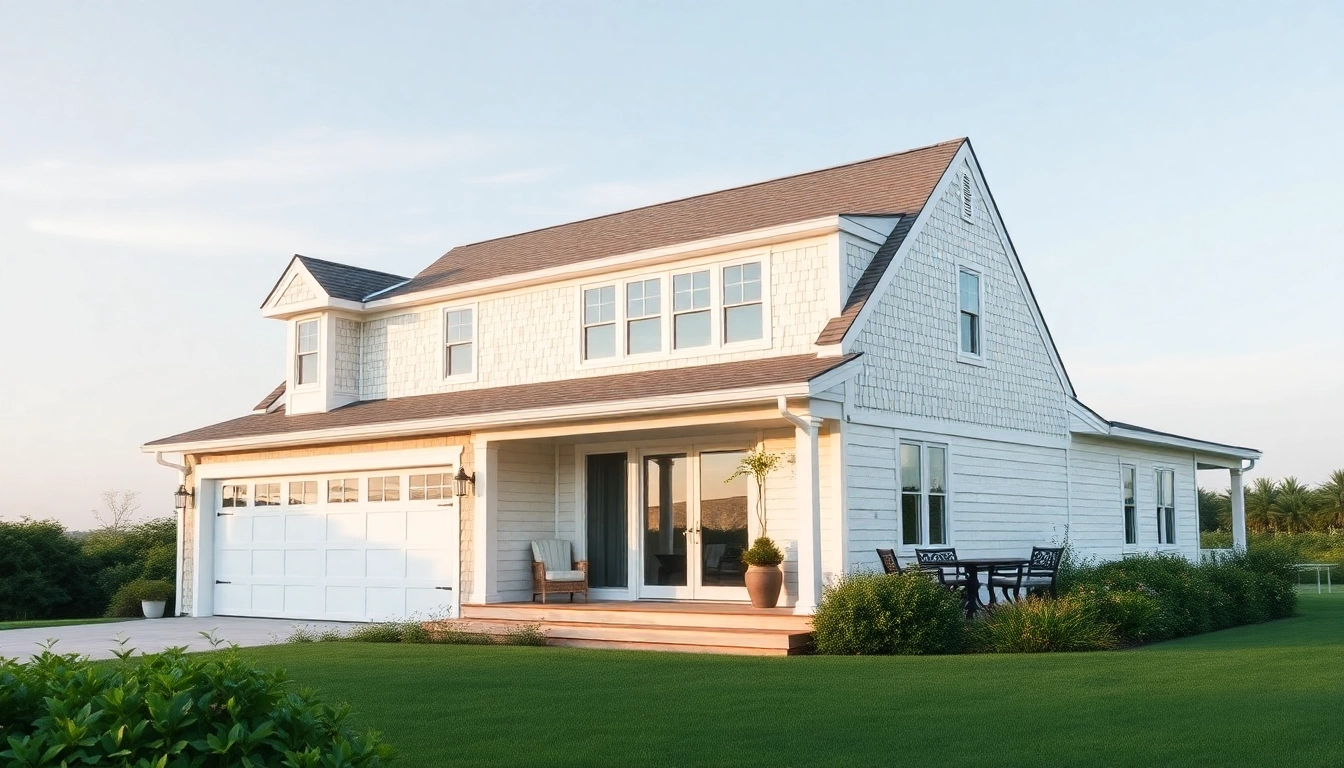
The essence of Cape Cod homes lies in their simplicity and functionality. Traditionally, they are one or one-and-a-half story structures characterized by steep pitched roofs, symmetrical facades, and dormer windows. Designed to withstand the harsh New England winters, these homes are often built with wood siding painted in muted earthy tones or shingled exteriors. The original design was inspired by colonial architecture, reflecting a utilitarian yet charming aesthetic that continues to captivate homeowners.
Architectural Features of Cape Cod Homes
Several integral features define the architecture of Cape Cod homes:
- Steep Roofs: The sharp incline facilitates snow runoff during winters, preventing the buildup that can damage the roof.
- Dormer Windows: Commonly installed to enhance natural light and ventilation, these windows add aesthetic appeal.
- Pitched Gables: These elements contribute to the home’s iconic silhouette while offering additional interior space.
- Symmetrical Design: A hallmark of Cape Cod architecture, the balanced composition provides a sense of harmony.
- Chimneys: Often centrally located, they are a practical design feature that adds to the historical feel.
Common Variations of Cape Cod Homes
While traditional Cape Cod homes maintain a classic form, various adaptations have emerged to cater to modern tastes and functional needs. Some notable variations include:
- Colonial Revival: This style incorporates classical elements, such as columns and porticos, while retaining the coastal vibe.
- Modern Cape Cod: A more contemporary twist, utilizing large windows and open floor plans to enhance the living space.
- Bungalow Cape Cod: A hybrid that combines Cape Cod features with bungalow architecture, emphasizing a relaxed, informal aesthetics.
Benefits of Expanding Your Cape Cod Home
Expanding your Cape Cod home not only enhances your living experience but also aligns with contemporary trends of homeownership and investment. Here are some key benefits:
Increased Space and Functionality
One of the primary reasons homeowners choose to expand is the need for additional space. Whether it’s adding rooms for growing families, creating home offices, or designing entertainment areas, an expansion can significantly enhance functionality. By optimizing your existing layout or adding new spaces, you can tailor your home to better fit your lifestyle.
Enhancing Curb Appeal
An expansion doesn’t just serve practical purposes; it also allows homeowners to reimagine the exterior aesthetics. Thoughtfully designed expansions can enhance the curb appeal of Cape Cod homes, making them stand out with elegant lines, complementary materials, and well-integrated landscape features. This transformation can create a welcoming ambiance and positively influence neighborhood aesthetics.
Investing in Property Value
Property value often increases with well-planned expansions. By adding more square footage and improving the home’s overall function and appeal, homeowners can expect a reasonable return on investment. In desirable neighborhoods, enhancing a Cape Cod home can lead to significant appreciation, benefiting long-term homeowners and providing a valuable asset for those considering selling.
Design Considerations for Your Garage Expansion
When considering a garage expansion, multiple factors come into play to ensure the new structure complements your Cape Cod home effectively.
Choosing the Right Style for Your Home
Your garage addition should harmonize with the architectural style of your home. Traditional wood siding, matching roof pitches, and color schemes reminiscent of existing structures will enhance the aesthetic coherence of your property. A well-designed garage can serve as a functional space while also contributing to the overall architectural narrative of your Cape Cod home.
Integrating Sustainability into Your Design
Sustainability in homebuilding is increasingly important. When planning your garage expansion, consider utilizing eco-friendly materials and energy-efficient designs. Features like solar panels, durable composites, and energy-efficient insulation can not only reduce your carbon footprint but also lower utility costs over time. Investing in sustainable technologies fosters an environmentally conscious living space.
Key Features to Include in Your Garage
A successful garage expansion should consider both functionality and convenience. Here are essential features to consider:
- Storage Solutions: Built-in shelves, cabinets, and overhead storage can maximize space.
- Insulation: Proper insulation allows for year-round use, transforming your garage into an additional work or leisure space.
- Natural Light: Windows or skylights enhance the ambiance and can improve the usability of the space.
- Smart Technology: Incorporating smart garage door technology can enhance security and convenience for homeowners.
Tips for a Successful Cape Cod Expansion Project
Embarking on a home expansion project requires careful planning and execution to ensure success. Here are pivotal tips to guide you:
Planning and Permitting Process
The first step in any expansion project is understanding local regulations. Most regions have specific zoning requirements and permits for expansions. Collaborate with local building departments to ensure compliance and anticipate any potential delays. A comprehensive plan will facilitate smooth progress and avoid unnecessary complications.
Choosing the Right Contractors
Selecting experienced contractors is crucial. Look for professionals who understand Cape Cod architecture and have a proven track record in home expansions. Ask for references, review portfolios, and ensure that the contractors are licensed and insured. Effective communication and a clear vision will lead to a successful partnership.
Budgeting for Your Expansion
Establishing a realistic budget is a cornerstone of any expansion project. Consider not only construction costs but also expenses related to permits, materials, and potential unexpected contingencies. By outlining a clear financial plan, you can avoid overspending and ensure that your project is completed within the desired financial framework.
Frequently Asked Questions About Cape Cod Homes
What Are Common Features of Cape Cod Homes?
Common features include steep roofs, dormer windows, symmetrical facades, central chimneys, and wood siding. These elements combine to create a distinctive coastal charm.
How Can I Efficiently Expand My Cape Cod Home?
To efficiently expand, work with an architect familiar with Cape Cod styles, use existing footprints for extensions, and develop a clear plan that integrates seamlessly with your home.
What Is the Average Cost for a Garage Expansion?
The average costs for garage expansion can vary widely based on materials and labor, but homeowners can expect to spend between $10,000 to $30,000, depending on the size and design.
How Do I Choose the Right Location for an Expansion?
Select a location that complements your home’s existing structure, enhances natural light access, maintains privacy, and adheres to local zoning laws for appropriate setbacks.
What Maintenance Is Required for Cape Cod Homes?
Regular maintenance includes checking the roof for wear, repainting wood siding, inspecting the foundation, and ensuring proper drainage. Consistent upkeep helps preserve the home’s charm.
About the Author