Understanding Cabinet Refacing
What is Cabinet Refacing?
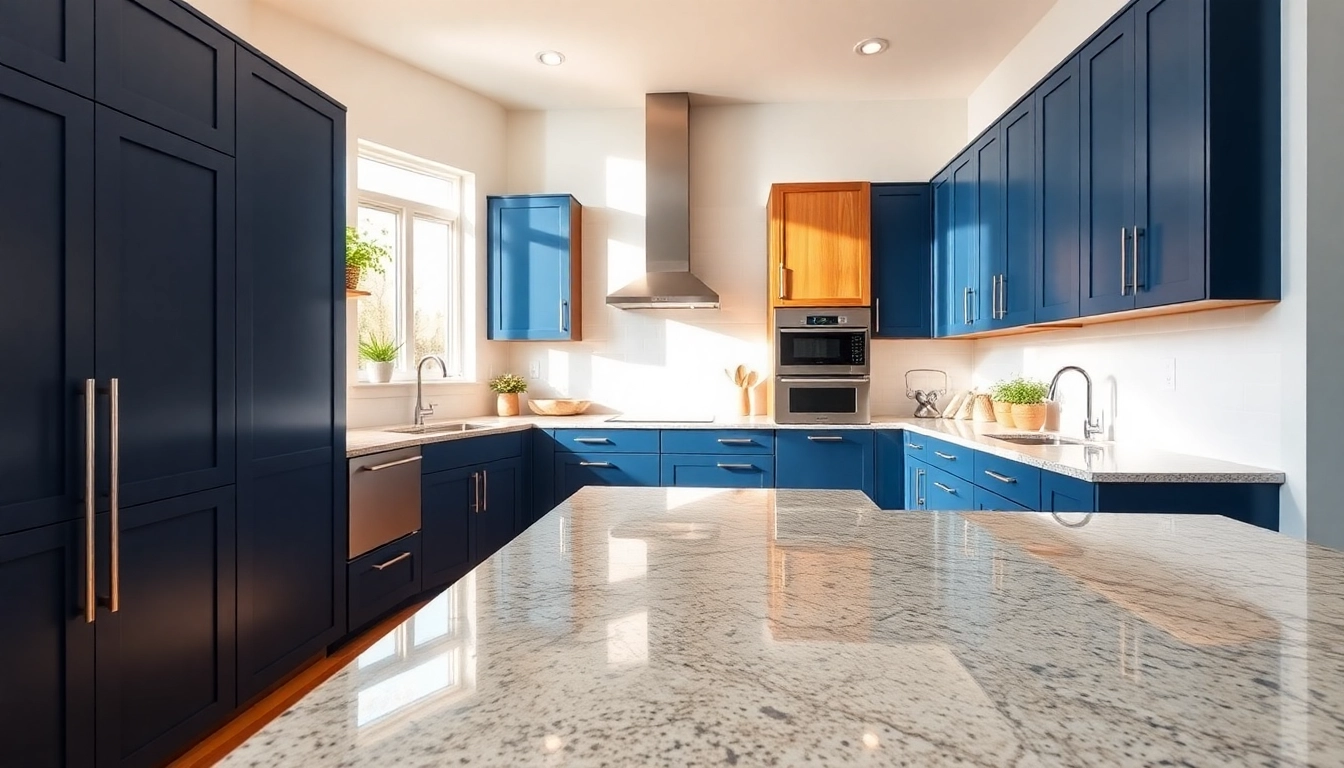
Cabinet refacing is a transformative home improvement process that involves replacing a cabinet’s exterior surfaces without completely removing the framework. This service typically includes the application of new veneers, the replacement of doors and drawer fronts, and the addition of hardware to achieve a fresh and updated look for your cabinets. Homeowners opt for cabinet refacing to revitalize spaces like kitchens and bathrooms, especially when they desire a modern aesthetic but aim to save time and money compared to complete cabinet replacement.
Benefits of Cabinet Refacing
Opting for cabinet refacing offers numerous benefits. Chiefly, it is a more cost-effective solution compared to full cabinet replacement, often saving homeowners between 30% to 50% of the costs associated with a full remodel. Refacing not only enhances the aesthetics of your home but also promotes sustainability by reusing existing cabinetry and reducing waste. Additionally, this process can often be completed within a few days, minimizing disruption to your daily life. Furthermore, refaced cabinets can substantially boost your home’s value, making it an advantageous investment if you plan to sell.
Key Considerations Before Refacing
Before embarking on a cabinet refacing project, there are several key considerations to keep in mind. First, assess the structural integrity of your existing cabinets. If the framework is in poor condition, refacing may not be the right option. Additionally, it’s crucial to consider your kitchen or bathroom’s overall design and color palette. A well-thought-out refacing project should align with your home’s style to ensure a cohesive look. Lastly, budget is another significant factor; thus, making a detailed plan will help you manage costs effectively.
Choosing the Right Materials
Types of Materials for Cabinet Refacing
The success of a cabinet refacing project largely depends on the quality of materials used. Common materials include veneers, which are thin slices of wood or wood substitutes that are adhered to surfaces. Other popular choices are high-pressure laminates, which offer durability and a more extensive range of color options. Additionally, solid wood can be an excellent option for doors and drawer fronts, providing a premium feel and extended longevity.
How to Assess Material Quality
Evaluating material quality involves several factors. Firstly, check for durability; high-quality materials should resist scratches and dents. It’s also essential to inspect the finish. Veneers should be thick enough to provide longevity, and laminates should not peel easily. Always inquire about warranties and the manufacturer’s reputation, as these can be indicators of material quality. Remember, investing in high-quality materials will pay off in the long run by extending the life of your cabinets.
Color and Finish Options
The aesthetic appeal of refaced cabinets can be significantly influenced by the color and finish chosen. Many homeowners gravitate towards trending colors such as muted tones or classic whites, which can create an illusion of space. However, deeper hues can add warmth and intimacy. Finishes also vary; satin and matte finishes are popular for their contemporary looks, while glossy finishes can offer a more dramatic flair. Consider sampling colors and finishes in your space to visualize how they will interact with existing decor.
Professional vs. DIY Cabinet Refacing
When to Hire a Professional
While DIY cabinet refacing can be tempting, there are specific situations where hiring a professional is advisable. If you lack experience in woodworking or home improvement projects, enlisting an expert ensures that the job is performed correctly, especially when it involves complicated angles or custom designs. Additionally, if the original cabinets exhibit structural issues, professionals will have the expertise to address them properly.
Essential Tools for DIY Refacing
For those opting for the DIY route, having the right tools is crucial. Some essential tools include a jigsaw, drill, sander, and quality adhesive. Measuring tapes and a level are also vital for ensuring precise fitment. Additionally, safety equipment, such as goggles and masks, should not be overlooked to protect against dust and debris while working.
Steps for Successful DIY Refacing
To successfully refinish your cabinets, begin by emptying and removing all cabinet doors and hardware. Next, thoroughly clean and sand the surfaces to enable proper adhesion of new materials. Install the veneers carefully, ensuring proper alignment. Once the adhesive is set, attach new hardware and rehang the doors according to your design plans. Remember to step back frequently to assess your work for quality before completing the project.
Maintaining Your Refaced Cabinets
Cleaning and Care Tips
To ensure the longevity of your refaced cabinets, regular maintenance is key. Use a gentle soap solution and a soft cloth for cleaning to avoid damaging the finish. Avoid abrasive cleaners that can scratch surfaces or dull the shine of the cabinet material. Additionally, periodic oiling of wooden components can enhance their appearance and prevent drying out.
Repairing Damages
Accidents can happen, leading to scratches or dents on your refaced cabinets. For minor scratches, a touch-up marker or wood filler can work wonders. More significant damages might require replacing the affected panels or finishes. Always keep leftover materials on hand from your initial refacing job to simplify repairs.
When to Consider Re-Refacing
While refaced cabinets can last many years, they might eventually require re-refacing. Signs include fading finishes, deep scratches that cannot be repaired, or changes in your home’s style. If your needs have changed, such as requiring additional storage solutions or modified layouts, it might be time to consider a new refacing project.
Cost Factors in Cabinet Refacing
Estimate Your Budget
Creating a budget for cabinet refacing requires understanding several cost components. Start by evaluating the overall square footage of your cabinets and the amount of material needed. Typically, homeowners can expect to spend around $1,000 to $5,000, depending on the scope and materials chosen. Make sure to account for any additional costs, such as hardware and labor, if hiring professionals.
Comparing Costs: Refacing vs. Replacing
Refacing is significantly more affordable than replacing cabinets entirely. On average, refacing a kitchen can cost between $3,000 and $8,000, while full replacements can exceed $15,000. Refacing provides homeowners with an economical way to upgrade their cabinetry without the extensive demolition and construction work that major replacements entail.
Understanding Labor Costs for Refacing Services
Labor costs for cabinet refacing can vary based on local rates and the complexity of your project. Typically, professional rates range from $50 to $150 per hour, depending on the expertise of the contractor. It’s advisable to get multiple quotes from local service providers to ensure you receive a fair and competitive rate.
FAQs
What is the typical timeframe for cabinet refacing?
Generally, cabinet refacing takes about 3-5 days, depending on the kitchen size and complexity.
Can I choose any color for my cabinet refacing?
Yes, most refacing services offer various color and finish options to match your home decor.
Is cabinet refacing cheaper than replacing?
Typically, cabinet refacing is more cost-effective than full replacement, offering a refreshed look at lower costs.
Do I need to empty my cabinets before refacing?
Yes, it’s essential to empty the cabinets to allow for safe and efficient refacing work.
How long do refaced cabinets last?
With proper care, refaced cabinets can last 10-20 years or longer, maintaining their appearance and functionality.
For those considering a transformative update to their cabinets, Cabinet Refacing Largo FL offers a solution that marries cost-effectiveness with aesthetic appeal.
About the Author