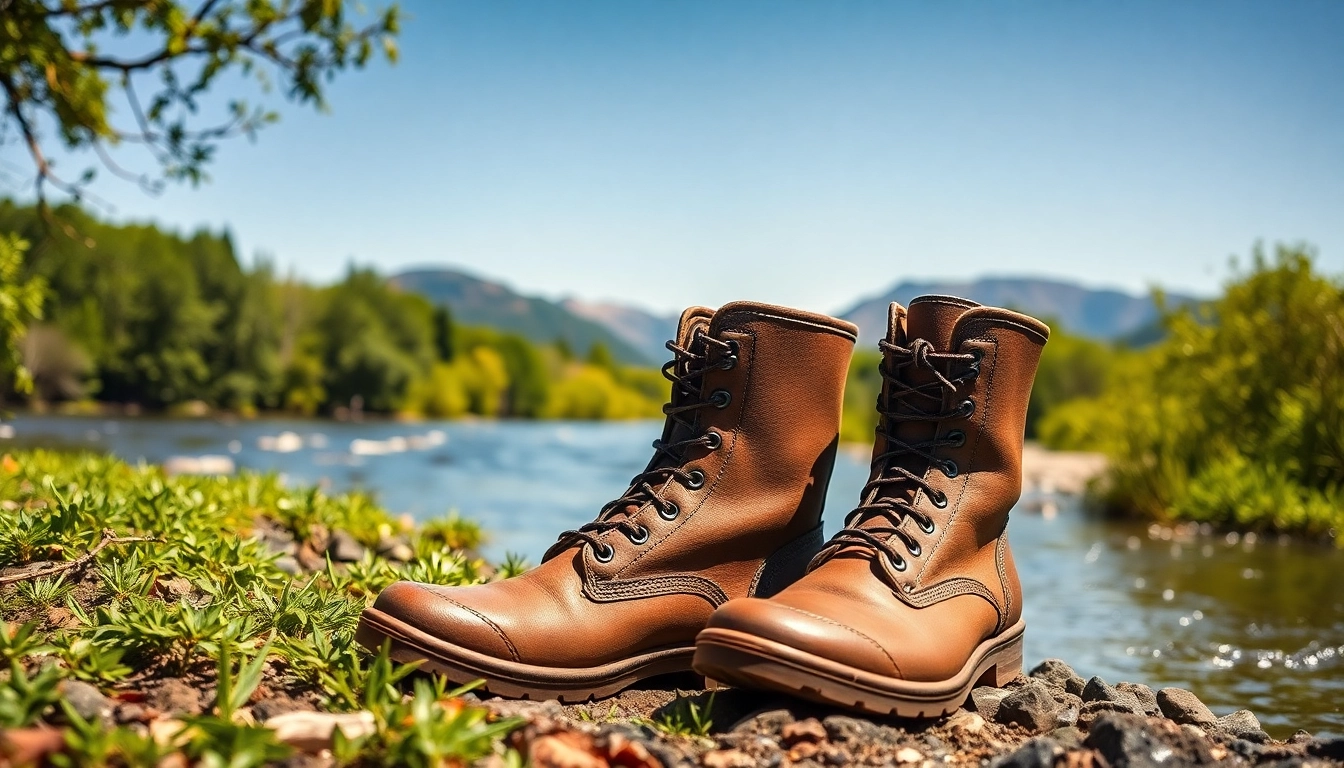
Introduction to Fly Fishing Boots
For enthusiasts of the tranquil sport of fly fishing, not only does it require skillful casting and patience, but it also necessitates the right equipment. Among this gear, fly fishing boots play a crucial role. These specially designed boots are not just a protective layer for your feet; they help anglers to navigate challenging terrains and standing waters effectively.
What are Fly Fishing Boots?
Fly fishing boots are a type of footwear explicitly crafted for the unique demands of the sport. Unlike regular hiking boots, these boots feature specific attributes that cater to water activities, such as extra grip, drainage, and wading abilities. Many fly fishing boots come with compatibility for wading accessories like studs and cleats, allowing anglers to maintain stability on slippery riverbeds and rocky shorelines.
Importance of Quality Footwear
When standing in cold water for hours, the quality of your footwear can significantly affect your fishing experience. Poorly made or ill-fitting boots can lead to discomfort, blisters, and even hypothermia in extreme conditions. Quality fly fishing boots provide essential support, warmth, and safety, enabling daytime excursions or extended trips to be more enjoyable and productive.
Common Materials Used
Fly fishing boots are typically constructed from durable materials such as nylon, neoprene, and various synthetic blends. These materials offer a balance of flexibility, waterproofing, and breathability. High-quality boots may also feature waterproof membranes, ensuring your feet remain dry while also allowing moisture to escape, which is essential for comfort during long trips.
Types of Fly Fishing Boots
Wading Boots vs. Casual Boots
When selecting fly fishing boots, understanding the difference between wading boots and casual boots is essential. Wading boots are purpose-built for deep water and rough terrains, having features such as a rugged outsole for grip in slippery conditions, reinforced toe caps for protection, and quick drainage systems that allow water to exit quickly. On the other hand, casual boots are more versatile for everyday use but lack the specialized features needed for safe wading in rivers and lakes.
Insulated vs. Non-insulated Options
Climate plays a vital role in deciding the insulation needed in fly fishing boots. Insulated boots are designed for cold water conditions, incorporating materials that provide warmth and comfort against brisk temperatures. Non-insulated boats, however, are more suitable for warm weather fishing, offering breathability and lightweight features to keep feet cool. Depending on your fishing environment, select a style that can accommodate varying weather conditions while ensuring comfort and protection.
Waterproof Features and Benefits
The most crucial feature of efficient fly fishing boots is their waterproof capability. Look for boots made with materials like Gore-Tex or those with durable water-repellent (DWR) coatings. This ensures that even in unexpected weather changes or while wading in water, your feet stay dry, which enhances comfort and minimizes the risk of cold or wet-related ailments. Reliable waterproofing also extends the life of the boots, making it a worthwhile investment.
Choosing the Right Fit
Measuring Your Foot for Boots
To gain the most benefit from fly fishing boots, a proper fit is key. Begin by measuring your foot size both in length and width; various brands have different sizing standards, and getting the right fit ensures comfort. Utilize measuring devices or visit a store to obtain an accurate reading. Make sure to account for any additional socks that you may wear while fishing to ensure the best fit.
Understanding Boot Sizing and Fit
Once your feet are measured, dive into understanding the sizing charts of specific brands. Many brands might scale differently; hence, reading their sizing guides is critical. Pay attention to the boot’s overall fit—there should be enough room to wiggle your toes while tight enough to prevent slipping during movement. A well-fitting boot reduces the chance of blisters and sore spots, which can cut a fishing trip short.
Tips for Trying on Boots Effectively
When trying on fly fishing boots, it’s crucial to replicate conditions you may encounter while on the water. Wear the socks you intend to use and ensure you stand and walk on different surfaces to gauge comfort. Check that your heels do not lift while trying to walk, as this could lead to blisters. Finally, ensure you articulate your feet in various positions to determine if pressure points exist.
Maintaining Your Fly Fishing Boots
Cleaning and Storing Your Boots
Regular maintenance is essential to prolong the lifespan of your fly fishing boots. After each use, rinse them thoroughly with clean water to remove dirt, sand, and debris. Allow them to air dry away from direct sunlight or heat sources that could damage the materials. Store them in a cool, dry place, packed loosely to maintain their shape.
Inspecting for Wear and Tear
Routine inspection of your fly fishing boots can save you from untimely failures during excursions. Check for visible signs of damage, including cracks, worn-out soles, and any leaks. Addressing these issues promptly can extend the life of your boots and keep you safe when navigating challenging terrains.
When to Replace Your Boots
It’s essential to recognize when the time has come to replace your fly fishing boots. Signs include persistent discomfort, major leaks, or significant wear on essential features like the outsole or the waterproof membrane. Replacing your boots when these signs arise ensures that you maintain comfort, safety, and efficiency out on the water.
FAQs about Fly Fishing Boots
What should I look for in a fly fishing boot?
Key features include comfort, fit, waterproofing, and traction for safety on slippery surfaces.
Are insulated boots necessary for warm weather?
Insulated boots are not typically necessary in warm weather but can provide added comfort in varying conditions.
How do I clean my fly fishing boots?
Rinse with fresh water to remove dirt and debris, then air dry away from direct sunlight to avoid damage.
Can I use hiking boots for fly fishing?
While hiking boots can work, they lack the specific traction and drainage features of dedicated fly fishing boots.
What is the best material for fly fishing boots?
Durable synthetic materials with waterproofing treatments are preferred for comfort and longevity in water.
About the Author