Understanding Malware Protection and Its Importance
In today’s hyper-connected world, cybersecurity is more critical than ever. Startups and established businesses alike must be vigilant against the growing threat of malware, which can cause significant damage ranging from data theft to system failures. Investing in effective malware protection is essential for safeguarding your digital assets and maintaining operational efficiency. This article delves into the complexities of malware, the necessity for robust security measures, especially for startups, and how to choose the right solution for your needs.
What is Malware Protection?
Malware protection encompasses a suite of security tools designed to detect, prevent, and remove malicious software from systems and networks. Malware includes viruses, worms, trojans, ransomware, spyware, and more. The primary goal of malware protection is to ensure the integrity, confidentiality, and availability of data and resources across desktop and mobile platforms. Effective malware protection combines ongoing monitoring, periodic scanning, and the latest threat intelligence to neutralize evolving risks.
Types of Malware Threats to Your Systems
- Viruses: Malicious code that attaches to clean files and spreads across systems.
- Worms: Standalone malware that replicates itself to spread to other devices.
- Trojans: Malware disguised as legitimate software designed to provide unauthorized access.
- Ransomware: Software that encrypts files and demands payment for decryption.
- Spyware: Software that secretly collects user data without consent.
Understanding these various types of malware is essential for implementing an effective protection strategy that shields your organization from potential breaches and losses.
Why Startups Need Robust Malware Protection?
Startups often operate with limited resources, making them particularly vulnerable to cyberattacks. Their small size can mean less sophisticated security measures, which is why investing in robust malware protection is crucial. With valuable data, intellectual property, and customer information at stake, startups must prioritize cybersecurity from day one. Additionally, a single breach can lead to catastrophic financial repercussions, loss of customer trust, and even legal liabilities.
Evaluating Malware Protection Solutions for Your Startup
Selecting the right malware protection solution can be daunting, given the plethora of options available. It’s essential to assess various factors to ensure you invest in a system that meets your startup’s unique needs.
Key Features to Look for in Malware Protection
- Real-Time Protection: Continuous monitoring that detects threats as they occur.
- Heuristic Analysis: Techniques that identify new and unknown malware by analyzing behavior.
- Multi-Platform Support: Compatibility with different operating systems, including Windows and Mac.
- Automated Updates: Regular updates to ensure protection against the latest threats.
- User-Friendly Interface: An intuitive dashboard that allows for easy monitoring and management.
Comparing Free vs. Paid Malware Protection Options
When deciding between free and paid solutions, consider the level of protection needed. Free options may seem appealing, but they often lack comprehensive features and support. In contrast, paid solutions typically offer advanced functionalities, such as enhanced detection rates, customer support, and regular updates. For startups, investing in a reliable paid solution may be a better approach to ensure robust protection against evolving threats.
Performance Metrics: How to Measure Effectiveness
To gauge the effectiveness of your malware protection solution, monitor key performance metrics, such as:
- Detection Rates: The percentage of malware threats identified and neutralized.
- System Impact: Resource consumption by the malware protection agent, ensuring it does not hinder performance.
- Response Time: The speed at which the solution reacts to detected threats.
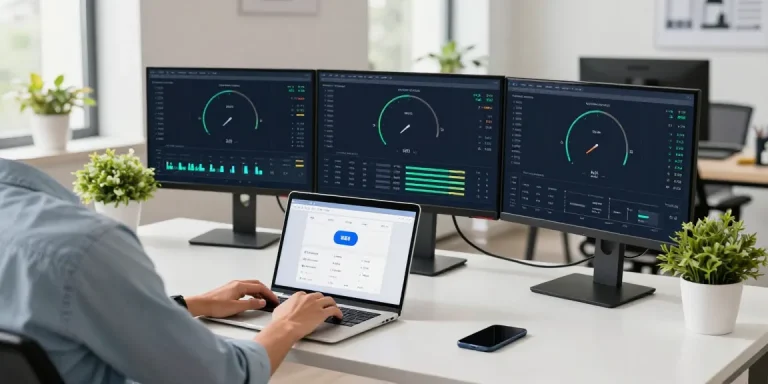
Regularly reviewing these metrics helps businesses fine-tune their security strategies and ensure they remain ahead of potential attackers.
Implementing Malware Protection Across Devices
Deployment of malware protection measures requires a strategic approach tailored to your organization’s infrastructure and workforce dynamics.
Best Practices for Endpoint Security Implementation
- Ensure every device, including laptops, desktops, and mobile devices, has updated malware protection installed.
- Educate employees about identifying phishing attempts and other common malware delivery methods.
- Implement a centralized management console for monitoring security across all endpoints.
Securing Remote Workforces with Malware Protection
As remote work becomes increasingly common, it’s essential to extend your malware protection to all employee devices. Utilize VPNs and secure remote access tools to protect sensitive data while employees work off-site. Regular training on security best practices, such as avoiding unsecured public Wi-Fi, is also crucial for maintaining a secure remote environment.
Maintaining Best Practices for Malware Protection Regularly
Malware protection is not a set-it-and-forget-it solution. Regularly revisiting your security protocols is essential. Schedule routine updates, perform penetration testing, and conduct employee training sessions to keep security top of mind. Ensuring that your systems are equipped with the latest threat intelligence is key in mitigating risks effectively.
Emerging Trends in Malware Protection for 2026 and Beyond
The cybersecurity landscape continues to evolve. Staying informed about emerging trends is vital for businesses aiming to enhance their malware protection strategies.
Impact of AI and Machine Learning on Malware Detection
Artificial intelligence and machine learning are revolutionizing malware detection. These technologies enable systems to learn from vast data sets, improving accuracy in identifying threats and reducing false positives. As malware becomes more sophisticated, AI-driven solutions will become increasingly essential in maintaining robust cybersecurity.
Future of Cybersecurity: Predictions for Malware Threats
As technology advances, so do the tactics of cybercriminals. Emerging trends such as the use of cloud services for attacks and new vectors through Internet of Things (IoT) devices will likely dominate the threat landscape. Businesses must stay ahead by integrating adaptive security measures capable of evolving alongside these threats.
Regulations Affecting Malware Protection in Businesses
Increased regulation around data protection will impact how businesses approach malware protection. Compliance with standards like GDPR and CCPA will require organizations to implement stronger security measures, making it essential for businesses to prioritize proactive cybersecurity strategies.
Frequently Asked Questions about Malware Protection
How often should I update my malware protection software?
Regular updates are crucial, and your malware protection software should ideally update automatically. However, manual checks should be part of your routine, particularly after major security updates or if there are reports of new vulnerabilities.
Can malware protection prevent all types of attacks?
While effective malware protection can dramatically reduce the risk of various types of attacks, no solution can guarantee 100% protection. It is essential to implement a multi-layered security strategy that includes firewalls, intrusion detection systems, and employee training.
What steps should I take if my system is infected?
If you suspect a malware infection, immediately disconnect from the internet, run your malware protection software to perform a complete scan, and isolate the infected device to prevent spread. After removal, consider changing passwords and monitoring accounts for unusual activity.
Are free malware protection tools effective?
Free tools can provide basic protection but often lack comprehensive features and responsive support. For businesses, particularly startups with sensitive data, investing in a paid solution is recommended for stronger, more proactive defense mechanisms.
How does military-grade encryption enhance malware protection?
Military-grade encryption secures data in transit and at rest, making it significantly more difficult for malware to access sensitive information. This level of security is crucial for protecting business assets and maintaining customer trust.
About the Author