Understanding Colonial Home Construction
Colonial home construction reflects one of the most enduring architectural styles in American history. Originating from the colonial period of the 17th and 18th centuries, these homes embody a rich blend of cultural influences, particularly from European settlers. Every aspect of the colonial aesthetic—from the symmetrical facades to distinct rooflines—has a story to tell. For those interested in constructing a home that resonates with historical significance and timeless elegance, understanding the nuances of colonial home construction is essential. This comprehensive guide will take you through the intricate details involved in planning, building, and finishing your colonial home.
Historical Background and Significance
Colonial architecture emerged during a time when settlers adapted to new landscapes while bringing with them their cultural practices. Influenced primarily by British, Dutch, and Spanish designs, the colonial home reflects a convergence of styles tailored to the local environment and available materials. The use of wood, brick, and stone is complemented by simple lines and functional layouts, ensuring homes were built to withstand harsh winters while fostering a sense of community.
One significant aspect of colonial homes is their representation of historical progress. The evolution of designs and construction methods corresponds directly with significant events in American history, including the Revolutionary War. Iconic Colonial houses like the Georgian and Federal styles illustrate shifts in design priorities as practicality melded with sophistication. Today, many owners seek to connect with this rich history by constructing new colonial homes that respect time-honored designs while integrating modern aesthetics.
Key Architectural Features
Colonial homes are distinctive in their architectural features, each reflecting the era and location from which they originate. Some common elements include:
- Symmetry: Colonial homes are known for their balanced proportions, often featuring a central door flanked by evenly spaced windows.
- Gable Roofs: Typically steep and pitched, these roofs are not only aesthetically pleasing but also practical for shedding snow and rain.
- Chimneys: Frequently located at the center or end of the roofline, chimneys carry both functionality and style, often embellished with locally sourced brickwork.
- Sashes and Shutters: Typical double-hung windows with shutters add to the visual appeal and offer a functional element for homeowners seeking light control.
- Porches: Many colonial homes boast inviting front porches that not only enhance curb appeal but also offer outdoor living space.
Materials Commonly Used
The choice of materials is crucial in the reconstruction or construction of colonial homes. Traditionally, colonials were built using the resources that were readily available in their region. Common materials include:
- Wood: Predominantly used in New England due to the vast forests, wood provides warmth and foundation.
- Brick: Particularly favored in southern colonies, brick offers durability and fire resistance.
- Stone: Used in foundation and some wall constructions, local stone adds character and strength.
- Stucco: Some colonial homes feature stucco as a finish material, often painted in soft hues.
Planning Your Colonial Home Construction
Finding the Right Location
The location of your new colonial home should take into consideration both convenience and aesthetics. A site that reflects the historical context, such as a property with mature trees and space for gardens, can enhance the colonial experience. Consider local zoning laws, accessibility to services, and community resources. Conduct a property survey to assess soil quality, drainage, and overall landscape, which are critical for a strong foundation.
Budgeting for Your Project
Proper budgeting is fundamental to the success of any building project. Start by calculating the costs associated with land acquisition, permits, design fees, and materials. It’s advisable to include a contingency fund—typically 10-15% of your total budget— to manage unexpected expenses. Meet with local contractors and architects to gain quotes that reflect realistic construction expenses. Remember, investing in quality materials can save you money in the long run by enhancing the durability of your colonial home.
Design Considerations
An effective design process involves collaboration with architects and interior designers who specialize in colonial architecture. Emphasize your desired features and layout preferences to ensure that the final outcome harmonizes both functionality and aesthetic appeal. Consider integrating modern necessities while remaining faithful to the historical design. Additionally, focus on energy efficiency, incorporating insulation and modern HVAC solutions that align with colonial aesthetics, ensuring comfort and sustainability.
Building Techniques in Colonial Home Construction
Traditional Methods vs. Modern Practices
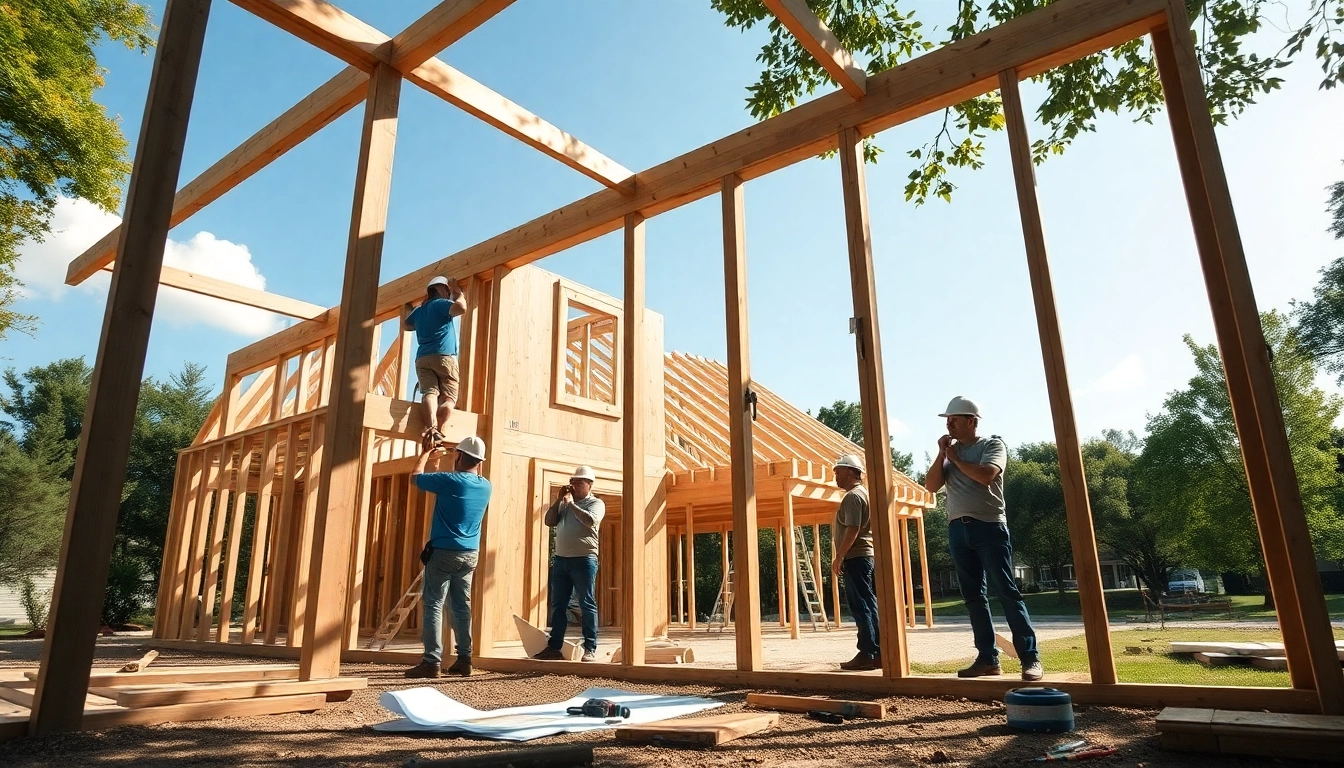
Colonial home construction traditionally utilized methods passed down through generations, such as timber framing and stone masonry. Today, many builders combine these time-honored techniques with modern practices, such as prefabrication and modular construction, which expedite the process. While traditional craftsmanship ensures authenticity, modern methods can deliver efficiencies without compromising the colonial style, maintaining historical integrity while enhancing structural integrity. Discuss with your contractor about the best blend of these techniques to suit your project.
Craftsmanship and Quality Control
Quality craftsmanship is non-negotiable in colonial home construction. Engaging experienced craftsmen who have an understanding of historical construction techniques can ensure that the final product is both authentic and durable. During construction, regular inspections should be conducted to assess framework, plumbing, and electrical work. Creating a quality control checklist can help identify potential issues early, preventing costly renovations later.
Innovative Technologies in Construction
The advent of new technologies has transformed construction practices. Building Information Modeling (BIM) allows for detailed 3D visualizations, enabling better design decisions before construction begins. Smart home technology can also be seamlessly integrated into colonial homes, offering modern conveniences such as automated lighting and climate control without disrupting the traditional aesthetic. Embracing these technologies can enhance comfort and efficiency while preserving the charm of your colonial home.
Finishing Touches for Colonial Homes
Interior Design Elements
The interior design of colonial homes should reflect the architectural style while prioritizing functionality and comfort. Incorporate period-appropriate furnishings and textiles, such as distressed wood tables, rich fabrics, and brass hardware, to maintain authenticity. Color palettes should also echo historical tones—think soft blues, greens, and neutral shades that enhance the overall ambiance. Pay special attention to lighting—use fixtures that harmonize with the colonial style, such as wrought iron chandeliers or simple sconces.
Landscaping Solutions
Landscaping plays a vital role in accentuating the beauty of colonial homes. Design a garden that features native plants, traditional hedges, and pathways that lead to defined areas. Incorporate stone walls, trellises, and period-appropriate features like arbors and gazebos that invite relaxation and social interaction. Purposeful landscaping can improve curb appeal and foster a sense of connection with the surrounding landscape, enhancing your home’s historical allure.
Historical Preservation Techniques
As you finalize your colonial home, consider employing historical preservation techniques that respect and maintain the authenticity of the design. Techniques may include restoring original materials, using traditional craftsmanship for repairs, and sourcing historically accurate fixtures. Work with preservation experts to ensure that modifications support the home’s integrity and comply with any local preservation guidelines, as these can significantly elevate both the value and historical significance of your property.
FAQs about Colonial Home Construction
What defines a colonial home?
A colonial home is characterized by its symmetrical design, gable roofs, central front doors, and classic materials like brick or wood. Each style varies by region.
How much does it cost to build a colonial home?
Costs can range significantly based on location, size, and materials chosen. Typically, a colonial home may cost between $150 to $300 per square foot.
How long does colonial home construction take?
Construction timelines depend on many factors, including complexity and weather conditions. A typical timeline ranges from 6 to 12 months for completion.
What permits are needed for construction?
Permits required often include building, electrical, plumbing, and zoning permits. Always check with local regulations to ensure compliance.
Can colonial designs be modified?
Yes, designs can be customized while retaining colonial features. Collaborating with an architect can help balance modern requirements with historical authenticity.
About the Author